2026 Truck Insurance Rates: Heavy‑duty (Volvo VNL) vs. Medium‑duty (Freightliner M2 106) vs. Light‑duty (Ford F‑750)
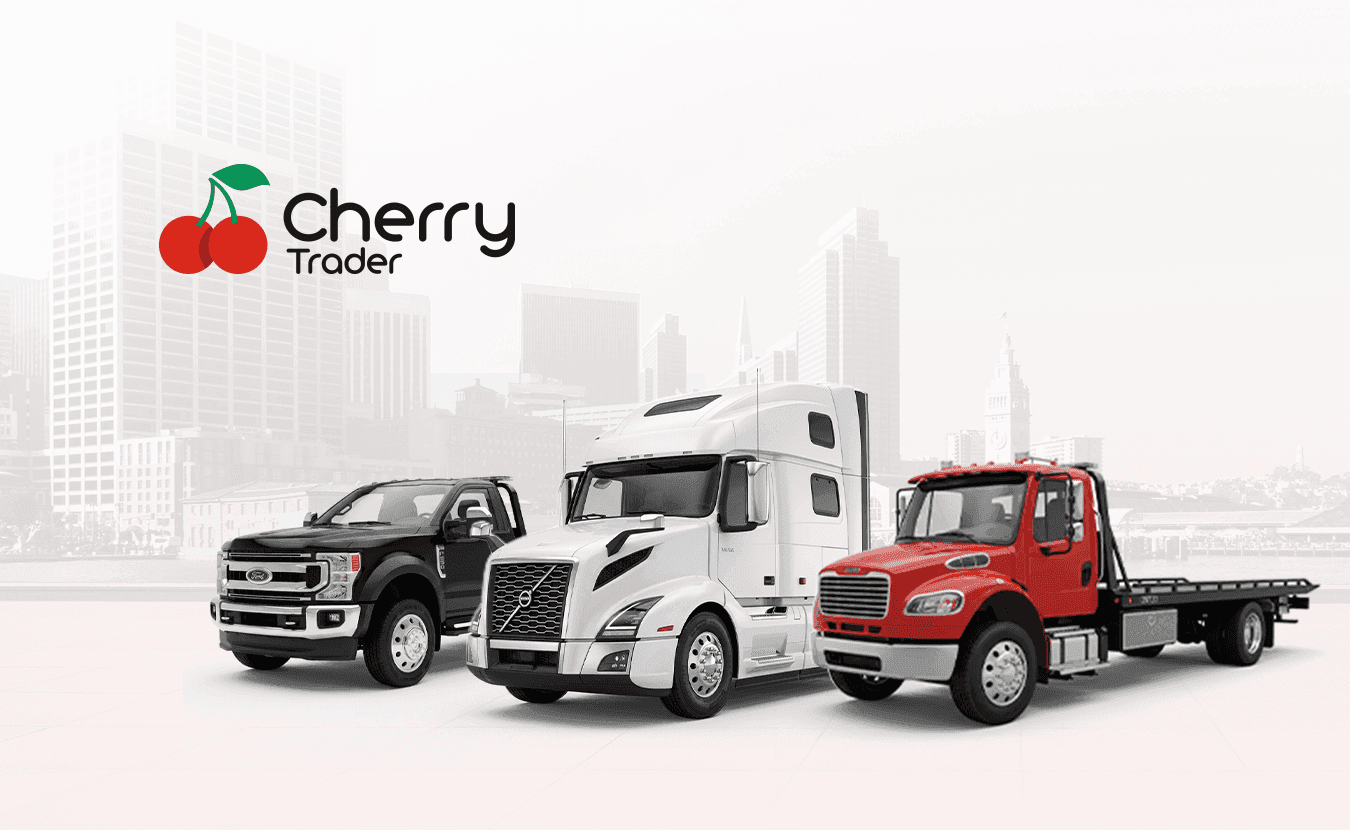


Depending on the kind of truck you’re driving, you will be offered lower or higher insurance rates. In this article, you can learn how different truck types affect your premiums.
Truck Insurance Basics
Truck insurance provides financial protection against physical damage and liability arising from collisions and other incidents involving trucks.
The cost of truck insurance can vary based on a number of factors, such as the type of truck, its usage, and even the driver's history. Requesting an insurance quote for Volvo VNL trucks will differ from that for a pickup truck, such as the Ram 5500.
How Different Trucks Impact Insurance Costs
There are three truck categories that insurance companies differentiate: light-duty, medium-duty, and heavy-duty. Each category comes with its own set of risks and, consequently, different rates. For example, light-duty trucks, such as pickup trucks, are generally cheaper to insure than heavy-duty trucks, such as tractor-trailers. This is because light-duty trucks are typically used for personal or light commercial purposes, which pose lower risks than the heavy loads and long distances associated with heavy-duty trucks.
Furthermore, the truck's age and condition can influence insurance premiums. Newer trucks with modern safety features and better fuel efficiency often cost less to financially protect than older trucks that may lack modern safety technology. Trucks in good condition with a clean maintenance record are also less likely to experience breakdowns or accidents, which can lead to lower premiums.
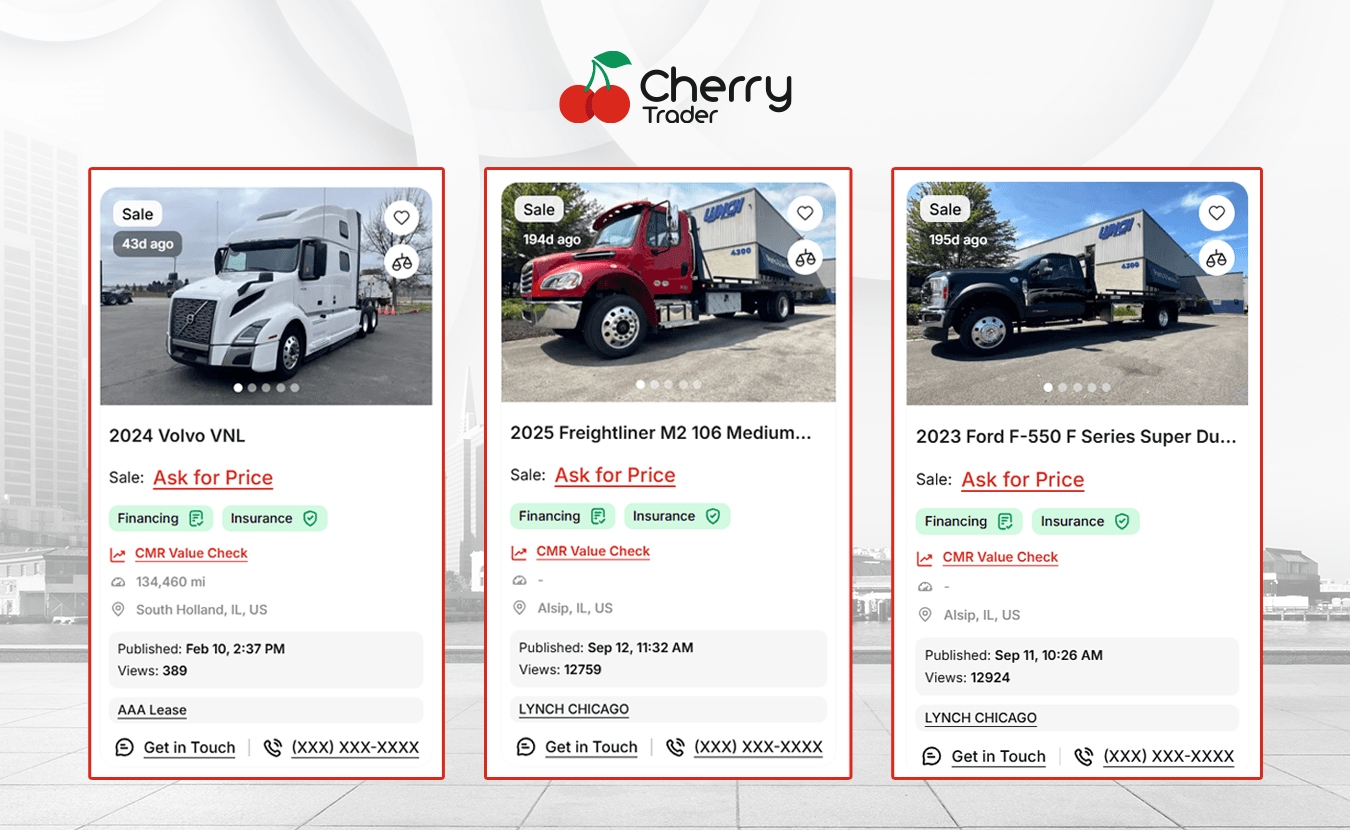
How Truck Size and Weight Affect Insurance Costs
Larger and heavier trucks usually have higher insurance premiums due to the increased risks they pose. For instance, a heavy-duty truck, such as a Freightliner Cascadia or Kenworth T680, can lead to a more serious accident than a smaller, light-duty truck.
Cargo weight also plays a role in determining costs. Trucks that carry heavier loads are more prone to mechanical failures, such as brake or tire issues, which can lead to accidents. Insurance companies take these factors into account when calculating premiums, often resulting in higher rates for trucks that frequently carry heavy loads.
Personal VS Commerical Use
- Personal - Drivers who use trucks for personal use often drive them less frequently and over shorter distances than for work-related use. Because of that, insurance companies charge less.
- Commercial - Drivers with commercial trucks, such as those used for delivery, construction, or goods transport, are charged higher premiums due to longer distances, frequent use, and demanding conditions. The cargo's value and type also affect rates; for example, trucks carrying hazardous materials typically cost more to insure than those delivering non-perishable goods.
Truck Age and Condition
Newer truck models usually have modern safety features and better fuel efficiency. Thus, drivers who want to ensure that newer trucks will have lower insurance premiums. Insurance companies view newer trucks as lower risk because they are less likely to experience mechanical issues.
Conversely, older trucks are more likely to break down and experience mechanical failures, which, in turn, lead to higher insurance premiums.
In addition to the truck’s age, these companies also consider its overall condition. Trucks that are well-maintained and in good condition are considered lower risk than those with a history of mechanical issues or damage.
Do Driving Routes Impact Insurance Rates?
The routes the truck is usually driven on directly influence how insurance companies calculate premiums. Urban and densely populated areas have higher traffic volumes, and thus accidents occur more often compared to rural or less congested regions. The increased risk of accidents drives up insurance costs. All this means that where you drive your truck matters to insurance providers due to reasons already highlighted.
Possible accidents aren’t the only worry; crime rates are as well. Trucks parked in high-crime areas are more susceptible to theft, vandalism, and other criminal activities. These issues are also part of the insurance cost evaluation.
Tips for Reducing Insurance Costs
Reducing truck insurance costs involves choosing the right vehicle, properly maintaining it, and minimizing risks such as accidents, theft, and hazardous driving conditions. Trucks with advanced safety features, lower-risk usage, and secure parking can qualify for more affordable premiums. Learn more strategies for lowering your insurance costs in our comprehensive truck insurance blog.
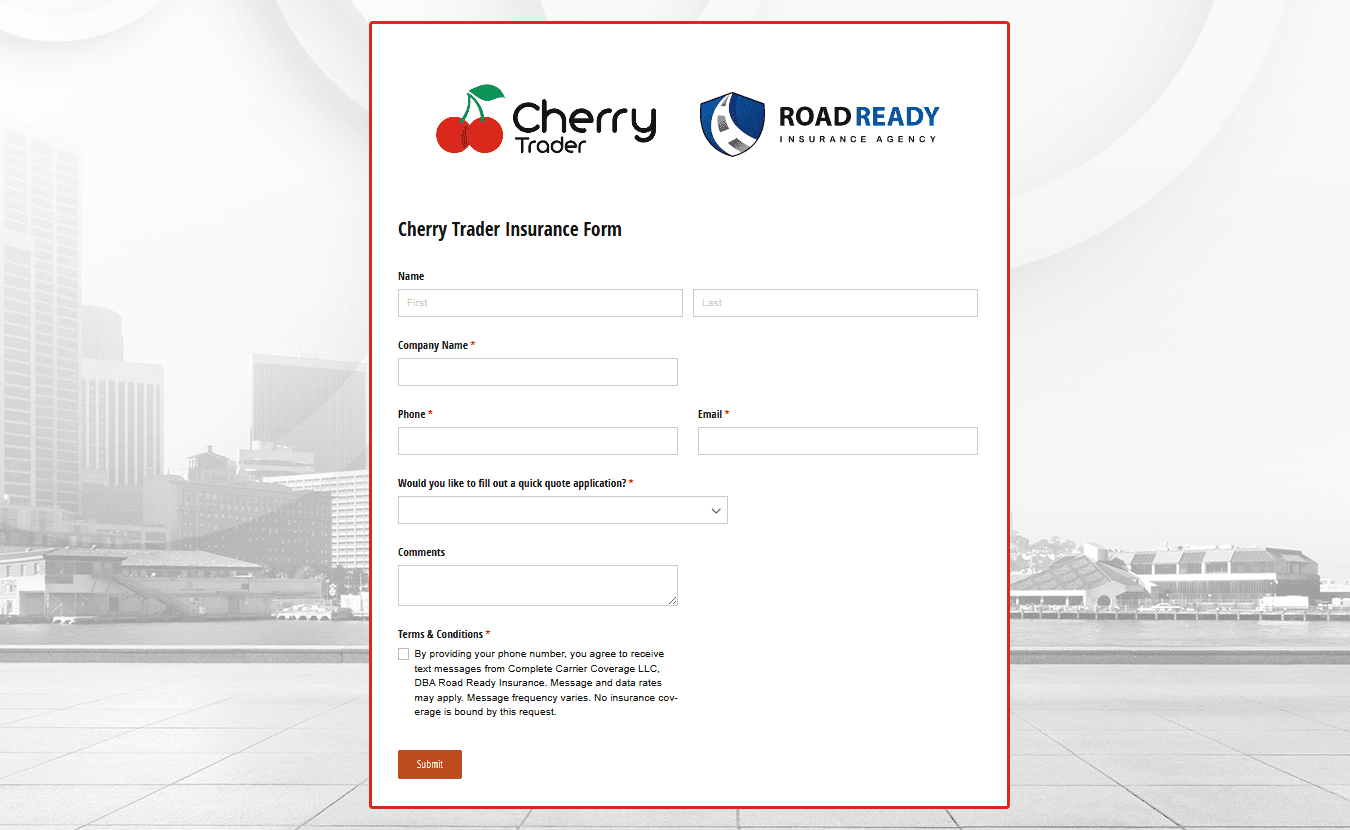
Inside tip: Get insurance quotes directly from listings on Cherry Trader through Road Ready Insurance Agency.
Conclusion
Investing in trucks with advanced safety features, maintaining the vehicle in good condition, and selecting a reliable make and model are effective strategies for reducing insurance premiums. Additionally, considering the truck's specific usage and the geographic areas where it will operate can further help minimize insurance costs. By taking a proactive approach and implementing these strategies, you, as a truck owner, can ensure you have the necessary coverage while managing your insurance expenses effectively.

Get the Latest Blog Updates
Subscribe to receive new articles, guides, and industry insights from Cherry Trader directly in your inbox. Stay ahead with the latest trends and tips for buying, selling, and managing equipment.